The Pyramids.
These proud constructions of the ancient Egyptians which leave us awe and wonder. In their natural surroundings in the valley of the kings, that is. In PowerPoint presentations however, they only let us wonder WHY someone has thought AGAIN that a PYRAMID is the appropriate display for each and every explanation.
The intention of diagrams is to simplify our understanding of a concept. We use diagrams and charts to explain faster and easier what we had in mind. All diagrams should support the brain to understand quicker. But if the diagram is not a logical construct of the thought, it is just decoration and has no function.
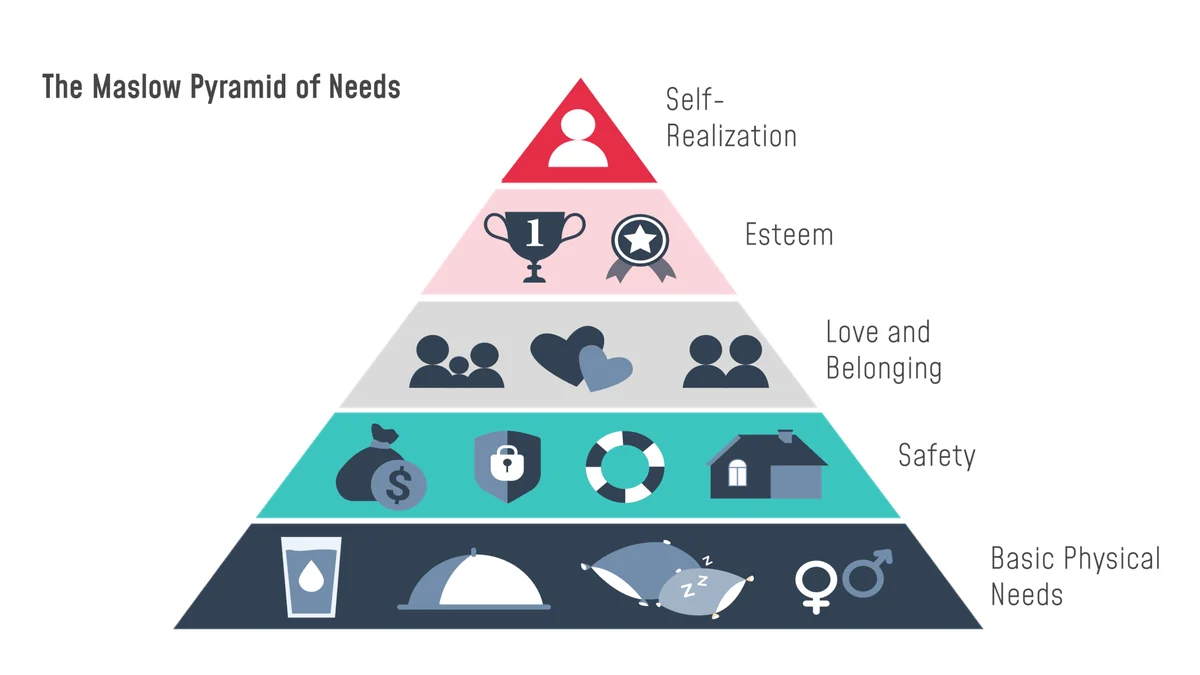
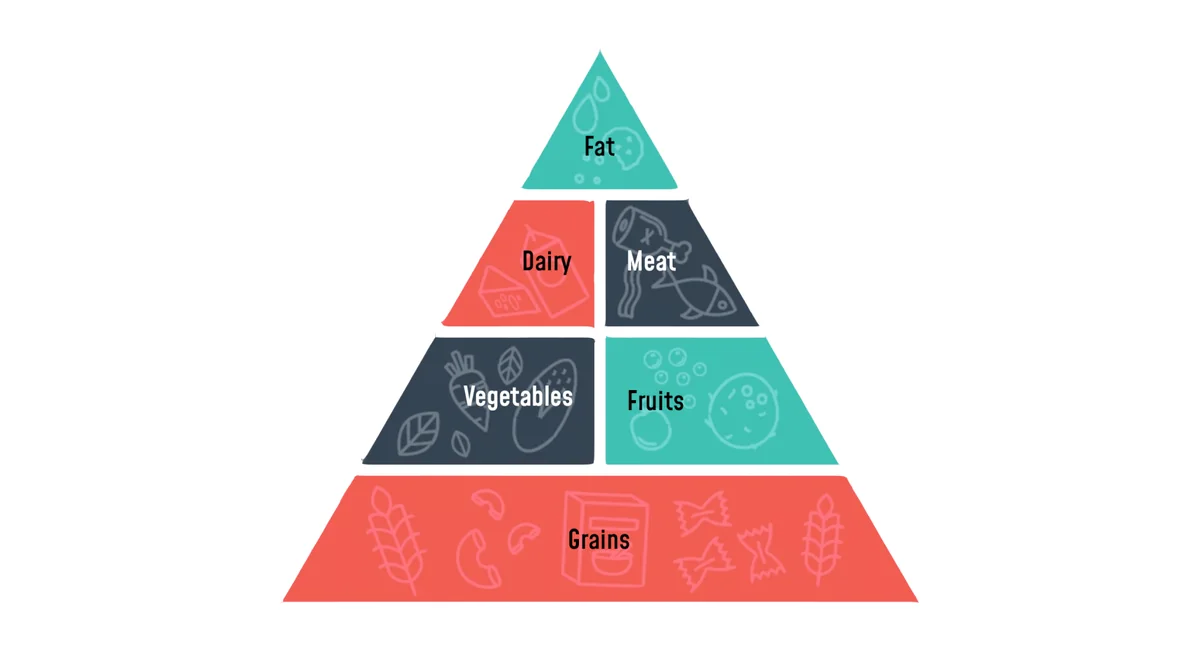
The pyramid shape diagram is specifically designed to take broad concepts and narrow them, representing any sort of hierarchy or an upbuilding construction.
To use the pyramid, your argument needs a foundation, or a base and all following points are building up from this foundation and now the kicker: Would not exist without the argument it is based on. So the second layer should not be able to function alone it needs to be substantiated by the argument beneath it and so on. Another key aspect is that the argument doesn’t get less important, it just has a smaller share as it keeps building up.
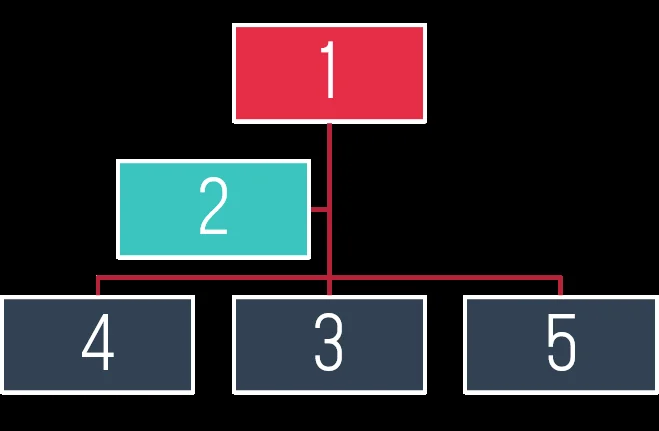
Some use pyramids to resemble importance. For instance: The CEOs is on the very top of the pyramid, the managers on the next, then staff, then temporary workers on the bottom level. What is wrong with this picture? A CEO would not exist without temps, staff or managers? First of all; we never start a Pyramid from the top. That wouldn’t have worked for the Egyptians, doesn’t work for you! Then you can’t say that one layer doesn’t work without the other, there are many company structures who have no management positions under a CEO, there are multiple CEOs without Managers. And honestly… are you really willing to say that staff and temp workers are least important people in an organization? To appropriately represent a company structure, use an Organigram or Org-Chart.